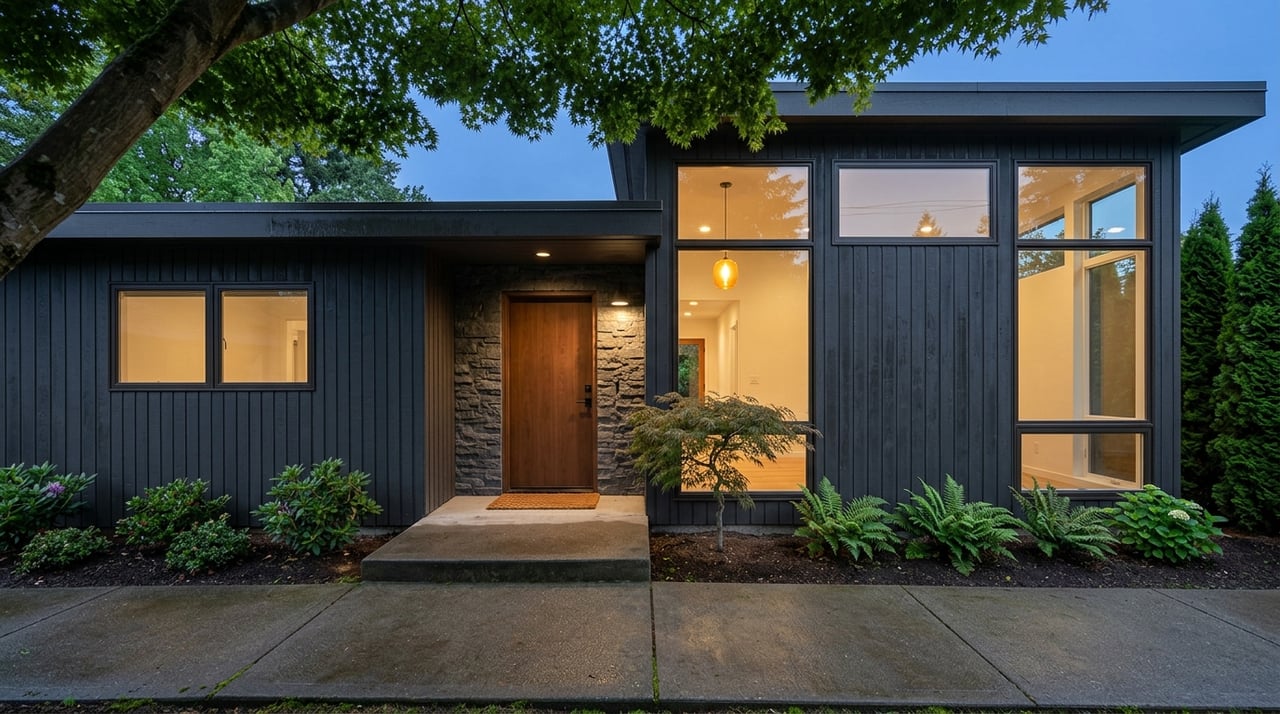
Wondering which North Seattle neighborhood actually fits your life, not just your search filters? That is the real challenge here. North Seattle covers a wide mix of submarkets, and each one offers a different balance of price, pace, housing style, and day-to-day convenience. This guide will help you sort through the biggest tradeoffs so you can narrow your next move with more confidence. Let’s dive in.
Why North Seattle Takes Context
North Seattle works better as a real estate shorthand than a single, precise neighborhood. Seattle’s Department of Neighborhoods notes that neighborhood snapshots are based on broader community reporting areas, so boundaries are rough rather than rigid.
That matters because your experience can change quickly from one pocket to the next. A home near Green Lake gives you a very different daily rhythm than one in Northgate or Wedgwood, even though all three may show up in a “North Seattle” search.
It also helps to keep the bigger market in mind. Seattle’s citywide median home price was $865,000 in March 2026, compared with $396,173 nationally, so choosing the right neighborhood often means deciding which features matter most to you.
Start With Your Main Tradeoff
Most buyers choosing among North Seattle neighborhoods are really deciding between four priorities. If you get clear on that first, the neighborhood list gets much easier to manage.
Those four tradeoffs are:
- Walkability and urban energy
- Transit-first commuting
- More house and quieter residential blocks
- Lower entry price or future change potential
You do not need the “best” neighborhood in the abstract. You need the one that best matches how you want to live now, how you commute, and how much space you need.
Best for Walkability and Daily Energy
If you want a neighborhood where daily errands, restaurants, parks, and street life shape your routine, a few North Seattle areas stand out. These are the places where lifestyle often leads the search.
Ballard for urban convenience
Ballard is one of the clearest close-in urban choices in North Seattle. The Ballard Avenue Landmark District includes a mixed-use core with boutiques, artists’ studios, galleries, and manufacturing uses, which helps explain why the neighborhood feels active and layered rather than purely residential.
The recent median sale price in Ballard was about $890,000, and the market was very competitive with roughly 13 days on market. Ballard can be a strong fit if you want an energetic neighborhood feel and a mix of housing types, including single-family homes, townhomes, and condos.
Green Lake for park-centered living
Green Lake is the park-centered option. Seattle Parks says the 2.8-mile loop around Green Lake draws thousands of people daily, and that gives the surrounding area a steady, active feel that many buyers love.
The recent median sale price around Green Lake was about $940,000, with very competitive market conditions. If your ideal routine includes easy outdoor access and a neighborhood organized around a major public space, Green Lake deserves a close look.
Phinney Ridge for walkable main-street feel
Phinney Ridge stands out for buyers who want walkability without giving up a more established neighborhood feel. In this group, it is the easiest place to describe as a walkable, neighborhood-main-street environment, backed by an 84 Walk Score, 50 Transit Score, and 79 Bike Score.
It is also one of the priciest options in this guide, with a recent median sale price around $1.4 million. Civic anchors like the Phinney Neighborhood Center, Woodland Park Zoo, Phinney Farmers Market, and the Greenwood-Phinney Greenways network add to the area’s day-to-day appeal.
Best for Transit-First Living
If you care more about train access, bus connections, or reducing car dependence, North Seattle has become much more compelling. Link service and strong bus routes have changed the map in practical ways.
The main transit spine includes Link stations at Northgate, Roosevelt, and U District, plus Shoreline South/148th and Shoreline North/185th just beyond Seattle’s city line. Bus routes still play a major role too, including Route 40, Route 44, and Route 5.
Roosevelt for rail access
Roosevelt is the strongest rail-oriented choice in north-central Seattle. Roosevelt Station opened with the Northgate Link extension in 2021, and the neighborhood is a natural option for buyers who want a more transit-first daily routine.
The recent median sale price was about $946,500, and the market remained highly competitive. If your goal is to stay connected to the city with easier train access built into daily life, Roosevelt belongs near the top of your list.
Northgate for access and change
Northgate is one of the most important neighborhoods to understand if transit matters to you and budget matters too. The area is still shaped by older, car-oriented development and large blocks, but it has been changing since Link opened and Northgate Mall closed.
Its recent median sale price was about $738,000, which is lower than many close-in North Seattle neighborhoods in this guide. The city is also working on walk and bike improvements in the area, including a 2026 Northgate safety project and greenway work.
Shoreline for north-edge transit options
Shoreline is technically outside Seattle proper, but for many buyers it belongs in the conversation. Sound Transit now serves Shoreline South/148th and Shoreline North/185th, which has materially improved transit access compared with past years.
Shoreline’s citywide median sale price was about $760,000 in March 2026. The overall feel is more suburban than close-in Seattle, so it can be a smart fit if you want better rail access without committing to a denser in-city setting.
Best for More House and Quieter Blocks
Some buyers are less focused on nightlife or station access and more focused on space, layout, or a more residential feel. In North Seattle, that often leads to Maple Leaf, Ravenna, and Wedgwood-View Ridge.
These areas are especially worth exploring if you are right-sizing, need more bedrooms, want a detached home, or simply want a calmer street pattern day to day.
Maple Leaf for practical right-sizing
Maple Leaf is a smaller North Seattle neighborhood tucked between I-5 and major commuter routes. Its recent median sale price was around $850,000, which puts it in a useful middle ground for buyers who want a detached-home option without stretching into the highest price tier.
For households balancing commute access with a more residential feel, Maple Leaf can be a practical short list neighborhood. It often appeals to buyers trying to right-size without moving too far from central Seattle patterns.
Ravenna for classic homes
Ravenna is a higher-priced option, with a recent median sale price of about $1.105 million. The neighborhood is known in part for classic 1930s Tudor homes, which can be a draw if character and architectural style matter to you.
Ravenna often makes sense for buyers who want a more established residential setting while staying in North Seattle. If your wish list includes detached homes with a sense of history, it is worth comparing carefully against nearby alternatives.
Wedgwood-View Ridge for owner-occupied feel
Wedgwood is among the more expensive options in this guide, with a recent median sale price around $1.323 million. The Seattle neighborhood snapshot also shows a median household income of $147,021 and 25.4% renter households, which can serve as a shorthand for a more owner-occupied area.
If you are looking for a neighborhood that tends to offer more detached homes and a quieter residential pattern, Wedgwood-View Ridge may align well. It is often part of the conversation for buyers who prioritize stability, space, and a more traditional neighborhood layout.
Best for Value and Future Upside
In a high-cost market, value does not always mean cheap. More often, it means finding the neighborhood where your budget stretches farther, or where change may create stronger long-term appeal over time.
In North Seattle, Northgate is the clearest example of that value-plus-change story. Some Greenwood and Shoreline pockets can also fit buyers who want lower entry points than the most expensive close-in lifestyle neighborhoods.
Northgate leads the value conversation
With a recent median sale price around $738,000, Northgate sits below many neighboring areas in this guide. For buyers willing to accept a neighborhood still in transition, that can open the door to better size, better access, or simply a more manageable price point.
The tradeoff is that some blocks may still feel more infrastructure-driven than charming. But if you are thinking long term and care about transit, redevelopment, and ongoing city investment, Northgate is a serious contender.
Greenwood offers a middle lane
Greenwood and Phinney Ridge are adjacent, but they are not the same market. Greenwood’s recent median sale price was about $775,000, notably lower than Phinney Ridge at about $1.4 million.
That gap makes Greenwood important for buyers who like the broader area but want a lower entry point. It can be a useful compromise if you want neighborhood identity and access to North Seattle amenities without paying top-tier prices.
Shoreline broadens your options
Shoreline also belongs in the value conversation, especially if your search is flexible on city limits. With a citywide median sale price around $760,000, it can offer an alternative to pricier Seattle neighborhoods while still giving you improved rail access.
Richmond Beach is the premium exception, with a recent median sale price around $1.27 million. That is a good reminder that even within Shoreline, the market varies a lot by area.
A Simple Way to Narrow the List
If you are feeling torn between several neighborhoods, try narrowing them by daily lifestyle instead of just price. That usually brings the right answer into focus faster.
Here is a simple way to think about it:
- Choose Ballard, Green Lake, or Phinney Ridge if lifestyle and walkability come first.
- Choose Roosevelt, Northgate, or Shoreline if transit matters more than parking.
- Choose Maple Leaf, Ravenna, or Wedgwood-View Ridge if you want more house and quieter residential blocks.
- Choose Northgate, parts of Greenwood, or parts of Shoreline if value and future change matter most.
You can also compare neighborhoods by what you are willing to trade. For example, you might accept a smaller home for better walkability, or a less polished streetscape for lower cost and stronger transit access.
How to Choose With Confidence
The right North Seattle neighborhood is rarely about one perfect statistic. It is about matching your budget, home type, commute, and daily routine to the submarket that supports them best.
That is especially true in a city where median prices remain high and neighborhood differences are meaningful. Looking at North Seattle as a set of distinct options, rather than one broad label, gives you a much clearer path forward.
If you are planning a move, it helps to compare not just list prices, but also the feel of each area, the housing stock, and the kind of daily life you want to build there. That is where a thoughtful neighborhood strategy can save you time, stress, and second-guessing.
Whether you are relocating, buying your first Seattle home, or trying to right-size for your next chapter, a clear plan matters. If you want help sorting through North Seattle neighborhoods and matching them to your goals, Mel Parsons can help you make a smart, calm next move.
FAQs
Which North Seattle neighborhoods are most walkable for daily life?
- Ballard, Green Lake, and Phinney Ridge are the strongest lifestyle-first options in this guide, with Phinney Ridge standing out for its walkable main-street feel.
Which North Seattle neighborhoods are best if transit matters more than parking?
- Roosevelt, Northgate, and Shoreline are the most transit-relevant choices here because of Link access and strong supporting bus connections.
Which North Seattle neighborhoods offer more house for the money?
- Northgate, Greenwood, and Shoreline generally offer lower entry points than higher-priced areas like Phinney Ridge, Ravenna, Wedgwood, and Green Lake.
Which North Seattle neighborhoods are better for detached homes and quieter blocks?
- Maple Leaf, Ravenna, and Wedgwood-View Ridge are the clearest fit if you want more detached-home options and a more residential day-to-day setting.
Which North Seattle neighborhood is changing the fastest?
- Northgate stands out most for change because of Link light rail, redevelopment after the mall closure, and active city work to improve walk and bike connections.
