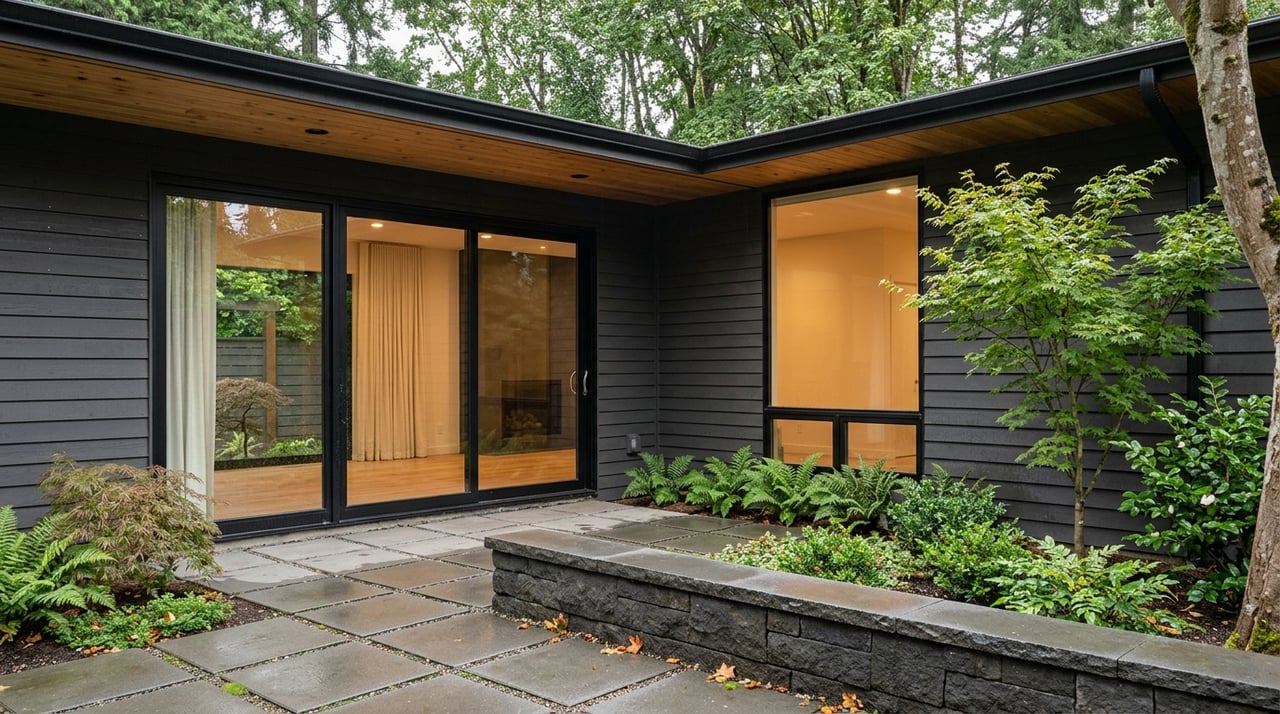
Thinking about a move to Hawthorne Hills and hoping it can feel organized instead of overwhelming? You are not alone. Relocating to a Seattle neighborhood from across town or across the country comes with a lot of moving parts, and a calm plan can make a big difference. This guide will help you understand what Hawthorne Hills feels like, how daily life works, and what to line up before move-in so you can make smart decisions with less stress. Let’s dive in.
Hawthorne Hills at a Glance
Hawthorne Hills sits within Seattle’s larger Ravenna/Bryant Community Reporting Area, which the city uses for neighborhood snapshot data. Seattle also notes that these reporting boundaries are census-based and do not always line up perfectly with the neighborhood names locals use.
That matters because Hawthorne Hills often feels more specific on the ground than it does on a city map. In practice, many buyers experience it as a primarily residential pocket in northeast Seattle with a quieter, low-rise feel and convenient access to nearby retail, parks, and major destinations.
City and transit records help paint that picture. A Seattle Department of Transportation transit-stop evaluation described the Bryant/Hawthorne Hills stop area as primarily single-family residential, with a supermarket and a park within one block.
There is also some real neighborhood history here. Seattle clerk records show an ordinance approving the plat of Hawthorne Hills in 1928, and later city historical records describe the area as a rapidly developing residential neighborhood.
What Daily Life Feels Like
If you are relocating, one of the biggest questions is simple: what will an average Tuesday actually feel like here? Hawthorne Hills tends to appeal to people who want a residential setting without feeling cut off from the rest of Seattle.
The broader reporting area offers a useful data snapshot. In Seattle’s 2021 ACS neighborhood snapshot for the Ravenna/Bryant area, median household income was $136,482, 43.5% of households were renters, 79.8% of residents had a bachelor’s degree or higher, and 18.5% of residents spoke a language other than English at home.
Those numbers do not define any one block, but they do suggest an established area with a mix of renters and owners. For a relocating buyer, that can translate into a neighborhood environment that feels rooted, active, and connected to the wider northeast Seattle community.
Parks and Everyday Anchors
Small neighborhood anchors can make a move feel easier fast. In Hawthorne Hills, parks and nearby service hubs help create that sense of orientation.
University Circle Park sits at 5801 University Circle NE and is right at the heart of the neighborhood. Seattle Parks describes it as a roundabout green space with benches, trees, and territorial views, which gives the area a recognizable center point.
Pathways Park at 5201 Sand Point Way NE is another useful landmark. It connects to the Burke-Gilman Trail, a paved regional route that runs through the University District and View Ridge and provides access to the University of Washington and other north Seattle destinations.
Nearby destination hubs also shape daily convenience. Seattle Children’s Hospital’s main campus is at 4800 Sand Point Way NE, and University Village at 2623 NE University Village St offers a nearby cluster of shopping, dining, and services.
Why Relocators Often Like This Area
For many people, Hawthorne Hills can hit a practical middle ground. You get a residential setting, but you are still near key destinations that can simplify work, errands, and daily routines.
That can be especially helpful if you are learning Seattle geography for the first time. Being near the University of Washington area, the Sand Point corridor, University Village, and regional trail connections gives you multiple ways to plug into city life without starting in the middle of a dense urban core.
This is also a neighborhood where context matters more than a simple label. Some homes may feel tucked away and quiet, while others may offer easier access to transit routes, medical facilities, or retail. If you are relocating, it helps to think block by block rather than relying only on the neighborhood name.
Commuting From Hawthorne Hills
Commute planning is one of the easiest ways to reduce relocation stress. Hawthorne Hills is not a one-mode neighborhood, so your best setup may involve a mix of bus, rail, walking, biking, and driving.
King County Metro Route 79 serves Green Lake Park and Ride, View Ridge, Ravenna, U District Station, and the University District on weekdays. The published schedule specifically notes that it does not operate on weekends or holidays, so it can be useful, but it is also a route you will want to verify carefully against your actual routine.
For many riders, U District Station is an important connection point. Sound Transit lists it as a stop on both the 1 Line and 2 Line, with 1 Line service running through places like University of Washington, Capitol Hill, Westlake, Pioneer Square, and International District/Chinatown.
If you are headed downtown or toward the airport, a bus-to-Link routine may be part of your plan. If biking or walking matters to you, the Burke-Gilman Trail is one of the strongest transportation and recreation assets in this part of Seattle.
A Calm Transition Plan for Your Move
A good relocation plan does not try to solve everything at once. It breaks the move into a few clear phases so you can stay focused and avoid last-minute surprises.
Step 1: Learn the Micro-Locations
Start by identifying what matters most in your day-to-day life. You may care most about trail access, proximity to U District Station, an easy route to Seattle Children’s, or a residential feel near parks and grocery options.
In Hawthorne Hills, those priorities can shift your ideal search area quickly. Two homes with the same zip code can support very different routines, so this is where local guidance really helps.
Step 2: Build a Commute Test
Before you commit, test your likely routes on paper. Look at weekday bus options, rail transfer points, driving times, and trail access based on the places you actually go most often.
This is especially important because Route 79 does not run on weekends or holidays. If you plan to rely on transit regularly, make sure your backup options also feel workable.
Step 3: Review Property Records Early
If you are buying from out of town, due diligence matters even more. Seattle’s Services Portal lets users look up property information, permit history, and complaints by address or parcel, and it directs users to SDCI permit and property records for permit history older than 2005.
That can help you understand a home’s work history before you are deep into a transaction. It is a practical step that can reduce uncertainty, especially when you cannot easily visit city offices in person.
Step 4: Coordinate Utilities Before Arrival
Move-in week gets easier when your basics are already set. Seattle City Light says new residential customers can start or stop electricity service online or by phone, and Seattle Public Utilities says new-to-area customers can create a utilities profile and start service online.
Seattle City Light also notes that identity verification is required and that many owner changes are handled through escrow. If you are buying, confirm who is handling what so nothing falls through the cracks.
Step 5: Line Up Support Early
A relocation move usually needs more than just a broker. You may need inspectors, contractors, lenders, legal guidance, movers, or help coordinating prep and timing if you are also selling another home.
This is where a calm, connected local team can save you time and mental energy. The goal is not just to get you to closing. It is to make the whole transition feel more manageable.
First-Time Buyer Note
If you are relocating to Seattle as a first-time buyer and exploring downpayment assistance, pay close attention to city program rules. Seattle states that buyers using its downpayment assistance program must complete approved homebuyer education and one-on-one housing counseling, and the assisted home must be the buyer’s principal residence.
That will not apply to everyone, but it is worth knowing early. Program timelines and requirements can affect how you prepare, especially if you are trying to coordinate a move from another city.
How to Make the Move Feel Easier
When people picture a smooth relocation, they often focus on the moving truck. In reality, the biggest stress usually comes from uncertainty before move-in.
A calmer plan often looks like this:
- Narrow your preferred micro-location within Hawthorne Hills
- Map your weekday and weekend transportation options
- Review property and permit history early
- Set up utilities before possession
- Build a short list of local service partners you may need
- Leave extra time for Seattle-specific logistics and scheduling
If you approach the move step by step, Hawthorne Hills can become easier to evaluate and easier to settle into. You do not need to know everything on day one. You just need a plan that helps you make the next good decision.
If you are thinking about relocating to Hawthorne Hills and want a steady local guide, Mel Parsons can help you build a smart plan, understand the neighborhood block by block, and navigate the move with clarity and care.
FAQs
What is Hawthorne Hills like for a Seattle relocation?
- Hawthorne Hills generally reads as a primarily residential northeast Seattle neighborhood with a low-rise feel, nearby parks, and access to retail, medical, and university-area destinations.
What parks are in or near Hawthorne Hills in Seattle?
- University Circle Park and Pathways Park are two neighborhood anchors, and Pathways Park connects to the Burke-Gilman Trail.
How do you commute from Hawthorne Hills to downtown Seattle?
- Many commuters use a mix of local bus service and a transfer to Link light rail at U District Station, depending on their schedule and destination.
What transit should you know about in Hawthorne Hills?
- King County Metro Route 79 is a useful local route on weekdays, but its published schedule says it does not run on weekends or holidays.
How can out-of-town buyers research a Hawthorne Hills property?
- Seattle’s Services Portal lets you look up property information, permit history, and complaints by address or parcel, which can help with due diligence before move-in.
How do you set up utilities when moving to Hawthorne Hills?
- Seattle City Light and Seattle Public Utilities both provide online options for starting residential service, and Seattle City Light notes that identity verification is required.
