By Mel Parsons
Moving to a new city always comes with a learning curve, and Seattle has its own particular rhythm to figure out. A solid relocation guide in Seattle, WA covers more than just packing boxes. It prepares new residents for the sought-after neighborhoods, city-wide transit, and exciting lifestyle they're about to join. Between the tech industry, the mountains, and the water surrounding the city, Seattle offers a mix that's hard to find elsewhere. Understanding a few key details ahead of time makes the transition much smoother.
Key Takeaways
- Learn which neighborhoods fit different lifestyles and priorities.
- Discover how Seattle's transit system connects the city and beyond.
- Find out what to expect from the region's climate throughout the year.
- Understand which practical steps make settling in easier.
Choosing A Neighborhood That Fits Your Lifestyle
The perfect relocation guide in Seattle, WA, should always start with picking the right neighborhood, since the city changes character block by block. Spending time in a few different areas before committing helps new residents land somewhere that fits their day-to-day life.
A Few Neighborhoods Worth Exploring
- Capitol Hill for nightlife, walkability, and a strong sense of community
- Wallingford for a quieter, family-friendly feel with easy park access
- The U-District for affordability and proximity to the University of Washington
- Ballard for a mix of maritime history and a lively food scene
- Queen Anne for water views and a more residential pace
Each of these areas offers a distinct pace, so the right fit often comes down to daily habits and priorities.
Getting Around Without A Car
Seattle's transit system makes it possible to live comfortably without relying on a car every day. Between light rail, buses, and ferries, most parts of the city stay well connected.
How To Get Around The City
- Link light rail connecting Sea-Tac Airport to downtown and beyond
- Frequent bus routes covering most neighborhoods throughout the city
- Ferries linking downtown to nearby islands and communities across Puget Sound
- Sounder commuter rail for those traveling from farther north or south
- An ORCA card that works across buses, light rail, and ferries
A little familiarity with these options makes daily life easier from the very first week.
What To Expect From Seattle's Climate
Seattle's weather surprises a lot of new residents in a good way. The city sees plenty of clouds and light rain through the fall and winter, followed by dry, mild summers that draw people outside.
A Few Climate Basics Worth Knowing
- Mild temperatures year-round compared to much of the country
- Frequent light rain rather than heavy storms through the colder months
- Long daylight hours and dry conditions through the summer
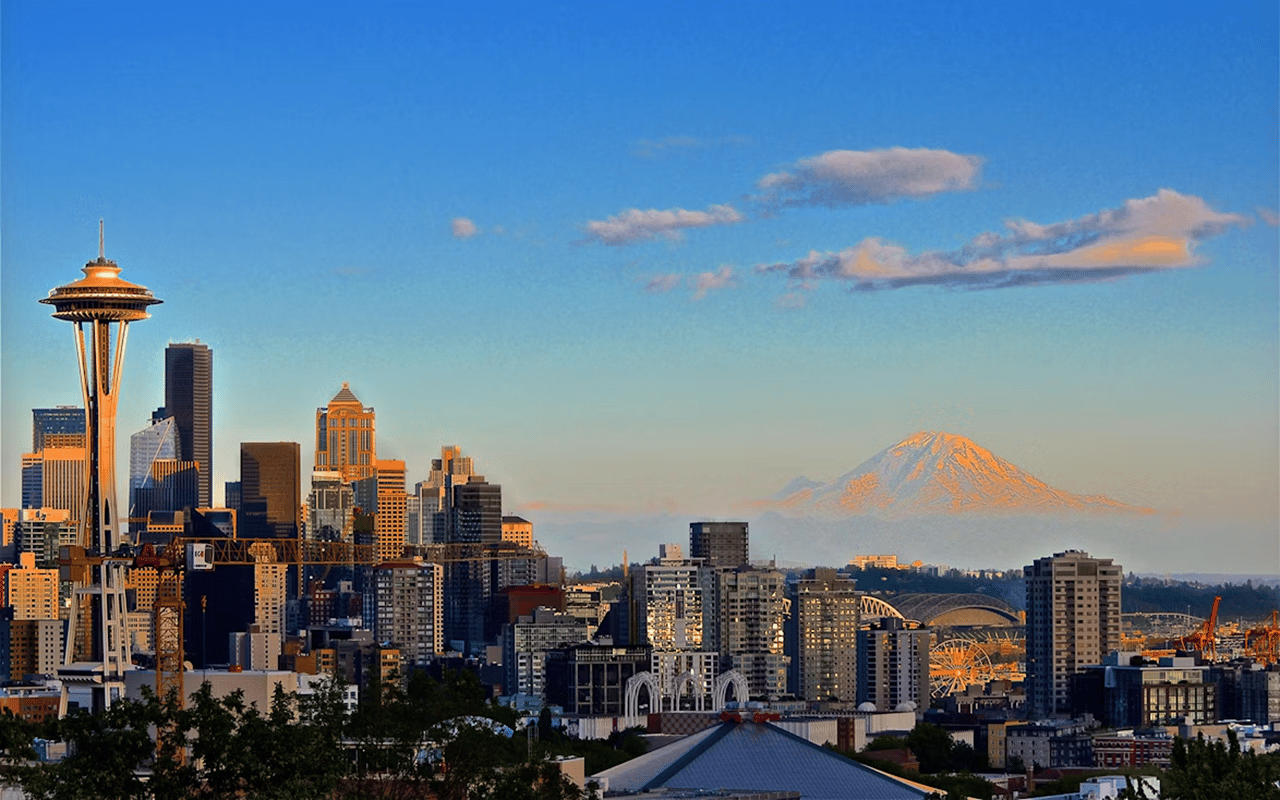
- Mountain and water views that stay visible on clear days
- Layered clothing that works better than heavy winter gear
Once new residents adjust their expectations, the weather becomes one of the easier parts of the move.
Practical Steps Before The Move
A few practical details make the move itself go more smoothly. Taking care of these early prevents last-minute scrambling.
Steps Worth Handling Before Moving Day
- Researching neighborhoods and commute times before choosing a home
- Setting up utilities and internet ahead of move-in day
- Registering a vehicle or exploring transit passes early
- Understanding Washington's lack of a state income tax
- Connecting with a local agent who knows the neighborhoods well
Handling these steps ahead of time frees up energy to enjoy settling into a new city.
Frequently Asked Questions
Is it necessary to have a car in Seattle?
Many residents get by without one, especially in neighborhoods close to light rail and frequent bus routes. A car still comes in handy for exploring areas outside the city or the surrounding mountains.
What's the best time of year to move to Seattle?
Late spring through summer generally makes the adjustment easier, since the weather is at its driest and most comfortable. Moving during this window also makes exploring new neighborhoods more enjoyable.
How walkable is Seattle overall?
Walkability varies quite a bit by neighborhood, with areas like Capitol Hill and Wallingford offering strong walkable cores. Even less walkable areas usually stay within easy reach of transit.
Connect With Mel Parsons
Following a relocation guide in Seattle, WA, can provide you with much-needed information to ensure your move to this beloved city goes smoothly. Before you can settle in, though, you’ll need to work with a local expert to guide you through the home-buying process. As a real estate advisor with years of experience, I’m equipped to help prospective buyers find their dream home and neighborhood that fits their lifestyle.
If you're planning a move to Seattle and want local guidance, connect with me, Mel Parsons, and let’s begin your real estate journey!
