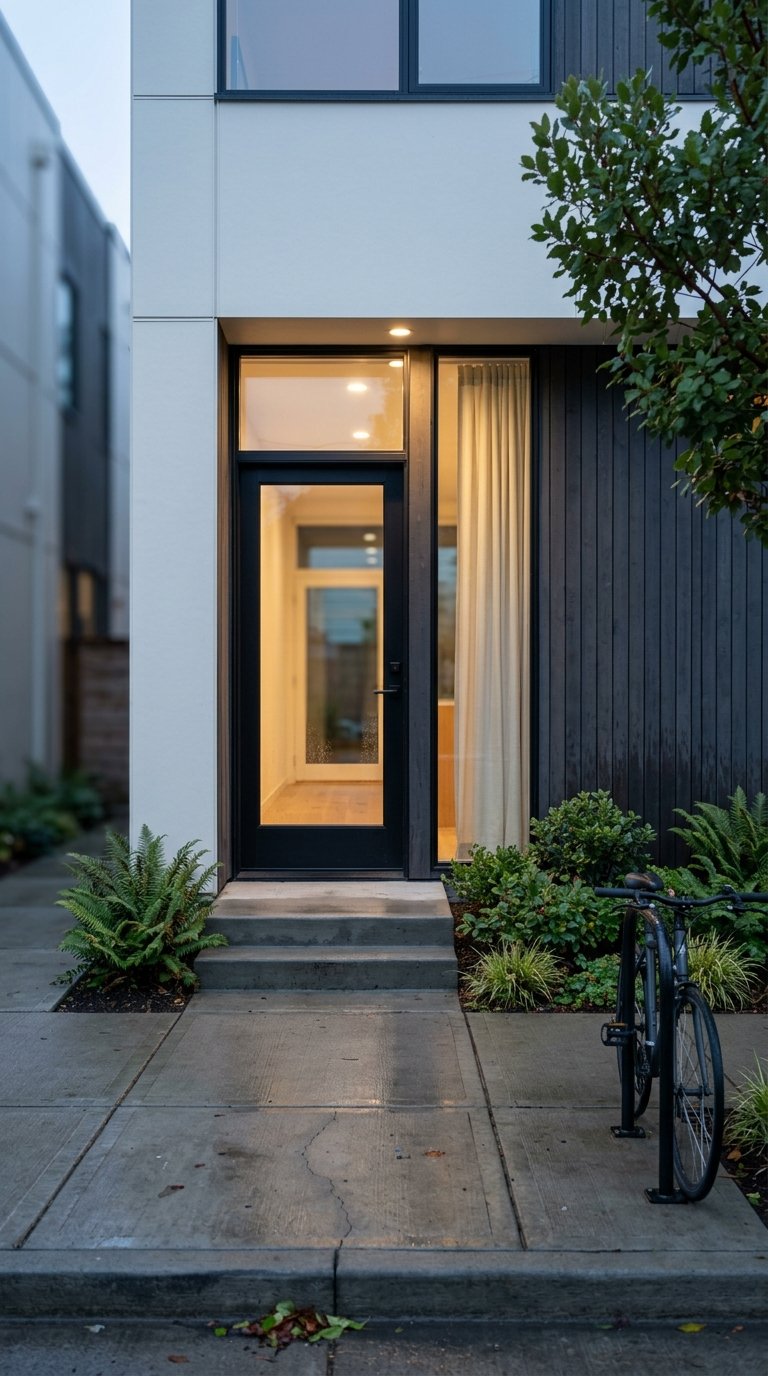
If you want Seattle convenience without a detached-house maintenance list, Roosevelt is probably already on your radar. This neighborhood gives you direct access to light rail, a growing mix of condos and townhomes, and a walkable setting that fits a lot of modern routines. If you are trying to decide which property type makes more sense for your budget and lifestyle, this guide will help you sort through the tradeoffs. Let’s dive in.
Why Roosevelt stands out
Roosevelt is one of Seattle’s designated residential urban villages, and its light rail station has become a major anchor for how the neighborhood is growing. Sound Transit opened Roosevelt Station on the 1 Line on Oct. 2, 2021, and Seattle’s station-area planning generally looks at the area within about a half-mile, or a 10-minute walk, from a station.
That planning history matters when you shop here. Roosevelt has long emphasized more residential and business activity near the station and commercial core, which helps explain why attached housing and mixed-use buildings are especially common close to light rail.
For buyers, that usually means you are not just choosing a home. You are also choosing how much you value walkability, transit access, and a lower-maintenance lifestyle compared with getting more space farther from the station.
What Roosevelt’s market feels like
Roosevelt is not a sleepy market. As of May 2026, Redfin describes it as Seattle’s most competitive housing market, with a median sale price of $1,108,177, a median of 6 days on market, and a 105.6% sale-to-list ratio.
In plain English, well-priced homes here tend to move quickly. If station access is high on your wish list, the most convenient condos and townhomes may attract strong attention fast.
Redfin also notes that hot homes can sell about 11% above list. That does not mean every listing will behave the same way, but it does mean preparation matters if you want to compete with confidence.
Condos near Roosevelt Station
Condos around Roosevelt often fit buyers who want efficient living and easy access to transit. Recent active examples in the area include units around 895 to 950 square feet, with layouts ranging from one-bedroom live/work styles to two-bedroom condos with parking.
That compact size can be a plus if you want less upkeep and a lower-maintenance day-to-day routine. It can also be a practical fit if your priority is location first, especially if you expect to use light rail often.
Recent examples also show a range of HOA dues. One small condo had dues of $385 per month, while a live/work condo near light rail showed dues of $645 per month.
Common condo tradeoffs
A Roosevelt condo may give you:
- A shorter walk to the station
- Lower-maintenance ownership
- Access to shared building systems and amenities
- A more efficient footprint for solo buyers, couples, or hybrid work setups
A condo may also ask you to weigh:
- Higher monthly HOA dues
- Less interior space
- Shared walls and shared building decisions
- Building financial health and future assessment risk
Townhomes in the Roosevelt corridor
Townhomes in Roosevelt often offer more square footage and more privacy than nearby condos. Current examples include homes around 1,003 square feet up to roughly 1,468 square feet, with some recently sold townhomes falling around 1,450 to 1,550 square feet.
That extra room can make a real difference if you need space for guests, roommates, storage, or a dedicated work area. It may also appeal to buyers who want an attached home but prefer fewer shared building systems than a condo typically has.
Redfin’s Roosevelt townhome page shows a median townhouse listing price of $760,000 and notes 9 townhouses currently for sale. That is useful context if you are comparing price points between property types.
Common townhome tradeoffs
A Roosevelt townhome may give you:
- More interior space
- Greater privacy than a typical condo
- Features like rooftop decks or EV-ready parking in some homes
- Lower HOA dues in some cases
A townhome may also mean:
- A higher price for the best layouts and locations
- More stairs in many floor plans
- Less of a lock-and-leave feel than some condos
- A slightly longer walk to the station in some cases
Condo vs. townhome in Roosevelt
In Roosevelt, the choice often comes down to location efficiency versus interior space. Condos frequently buy you a more compact, transit-oriented lifestyle close to the station. Townhomes often buy you more room and privacy, sometimes with a little less immediacy to transit.
Here is a simple way to think about it:
| If you value this most | You may prefer |
|---|---|
| Short walk to light rail | Condo |
| More square footage | Townhome |
| Lower-maintenance living | Condo |
| More privacy | Townhome |
| Simpler monthly ownership cost review | Townhome, depending on HOA structure |
| Shared building amenities and systems | Condo |
This is not a fixed rule, but it reflects the product mix seen in recent Roosevelt-area inventory.
How station proximity affects value
Being near light rail can support value, but it is not the whole story. Seattle says property values are affected by many factors, and the city also notes that property values within half a mile of new light rail stations generally increase, especially where zoning shifts to mixed-use and higher density.
In Roosevelt, that helps explain why station-adjacent condos and townhomes can command a convenience premium. These homes already fit the neighborhood’s higher-density pattern, so buyers are often paying for both the home itself and the time-saving lifestyle that comes with the location.
That said, the premium is not uniform. A few blocks farther out, you may find more space or a quieter street in exchange for a slightly longer walk.
What HOA dues really mean
One of the biggest mistakes buyers make is treating HOA dues as a simple extra line item. In reality, dues are part of your total monthly ownership cost, and they should be weighed next to the mortgage, taxes, insurance, and expected maintenance.
Recent Roosevelt listings show how much dues can vary. Examples in the area range from about $50 on a newer townhome to $385 on a small condo and $645 on a live/work condo.
Depending on the property, dues may cover items like:
- Common-area maintenance
- Earthquake insurance
- Lawn service
- Trash service
- Road maintenance
The right question is not just, “How high are the dues?” It is also, “What do they cover, and is the association planning well for future costs?”
Washington condo documents to review
If you are buying a condo in Roosevelt, Washington law gives you important disclosures to review. Under the state’s Condominium Act, a resale certificate must be provided before a unit is sold.
That certificate must address items such as monthly common expenses, unpaid special assessments, other fees, and whether reserve-account balances should be sufficient over the next 30 years. Reserve-study disclosures also need to be included in the resale paperwork.
Washington’s reserve-study rules are detailed for a reason. The study should address major components such as roofing, painting, paving, decks, siding, plumbing, and windows, and it must show the reserve balance, funding level, planned special assessments, and a 30-year projection.
The law also says associations should maintain reserve accounts, update reserve studies annually, and obtain a new visual site inspection update at least every three years. That does not guarantee every building will feel equally strong financially, but it gives you a framework for asking smart questions.
Questions to ask before you buy
Whether you are looking at a condo or townhome, these questions can help you compare options clearly:
- How far is the home from Roosevelt Station on foot?
- Is the parking assigned, deeded, or optional?
- What do the HOA dues cover?
- Is there a current reserve study?
- Are there planned special assessments or major building projects?
- Are rentals capped?
- Are pets allowed?
- Can the association approve EV charging?
- Does the floor plan work for hybrid work, guests, or roommates?
These details can matter just as much as the list price. In a fast market, they also help you move quickly without skipping the right due diligence.
How to decide which fit is right
A Roosevelt condo may be the better fit if your top priorities are transit access, low-maintenance living, and a more compact footprint. This can work especially well if you want to be close to the station and commercial core, or if you prefer a home that is easier to lock up and leave.
A Roosevelt townhome may make more sense if you need more space, want greater separation between rooms, or expect your home to flex for work, guests, or changing household needs. For many buyers, the extra square footage is what makes the move feel sustainable over time.
The best choice is usually the one that matches how you actually live, not just what looks best on paper. In Roosevelt, small differences in location, dues, parking, and building health can change the math quickly.
If you are weighing two good options, it often helps to compare them based on your real weekly routine. Think about commute patterns, storage, stairs, monthly carrying cost, and how often you will actually use the benefits of being closest to the station.
Why local guidance matters in Roosevelt
Roosevelt gives buyers a lot to like, but it is also a market where details matter. Fast sales, varied HOA structures, and big differences between compact condos and larger townhomes mean the “right” choice is rarely one-size-fits-all.
That is where calm, local guidance can make the process easier. When you understand the neighborhood pattern, the likely tradeoffs, and the document review points that matter most, you can make a strong decision without feeling rushed.
FAQs
How walkable is light rail access in Roosevelt, Seattle?
- Seattle’s station-area planning generally defines the station area as about a half-mile, or roughly a 10-minute walk, from light rail, so many Roosevelt condo and townhome buyers use that as a practical benchmark.
What size condos are common near Roosevelt Station?
- Recent Roosevelt-area condo examples commonly fall around 895 to 950 square feet, with one-bedroom and two-bedroom layouts in that compact, transit-oriented range.
What size townhomes are common in Roosevelt, Seattle?
- Recent examples show Roosevelt townhomes around 1,003 to 1,468 square feet, with some recently sold homes in the roughly 1,450 to 1,550 square foot range.
What are HOA dues like for Roosevelt condos and townhomes?
- Recent examples ranged from about $50 for a newer townhome to $385 for a small condo and $645 for a live/work condo, depending on the property and what the dues cover.
What condo documents should buyers review in Washington?
- Washington law requires a resale certificate with items such as monthly common expenses, unpaid special assessments, other fees, reserve information, and reserve-study disclosures.
Is Roosevelt a competitive market for buyers?
- Yes. As of May 2026, Redfin reported a median of 6 days on market, a 105.6% sale-to-list ratio, and noted that hot homes can sell about 11% above list.
If you are sorting through Roosevelt condos and townhomes and want a steady local guide, Mel Parsons can help you compare the real tradeoffs and move with a clear plan.
