By Mel Parsons
Seattle's energy code is among the strongest in the country. A local certification program built for the Pacific Northwest climate has shaped tens of thousands of homes in the Puget Sound region, and buyers here increasingly treat green features as a baseline expectation rather than a bonus.
The eco-friendly homes Seattle WA buyers are looking for today range from modest energy upgrades to full Passive House builds that produce as much energy as they consume. Here's what every buyer and seller in Seattle should understand about the green building landscape.
Key Takeaways
-
Seattle's Green Building Standard has real teeth: Director's Rule 2-2025 requires compliance with certified green building programs for developments seeking additional floor area or height
-
Built Green is the local standard: Developed for the Pacific Northwest climate, Built Green covers new construction and retrofits and has been earned by over 32,000 residential units in the Puget Sound region
-
Heat pumps have become the defining upgrade: Ductless mini-split heat pumps, heat pump water heaters, and all-electric systems are the most common green upgrades showing up in Seattle listings today
-
Green features affect resale: Homes with energy certifications sell faster and for 1 to 3 percent more on average than comparable non-certified properties, according to Zillow research
Seattle's Green Building Framework
Seattle's approach to green building is codified under Seattle Municipal Code 23.58D, with the current rules set by Director's Rule 2-2025. The framework applies when a development exceeds a minimum floor area or seeks extra height or floor area.
Accepted Green Building Certifications in Seattle
-
Built Green at the 4-Star, 5-Star, or Emerald Star level is the most common certification for residential construction in the Seattle area. It was developed by the Master Builders Association of King and Snohomish Counties specifically for Pacific Northwest climate conditions, covering site and water considerations, energy efficiency, indoor air quality, and materials selection. Over half of new homes built in the Seattle area in recent years have carried some level of Built Green certification, and it is available for both new construction and retrofits of existing homes
-
LEED Platinum under versions 4.0 or 4.1 is required for projects subject to the 2021 Seattle Energy Code. Seattle's own energy code is strong enough that LEED Gold, which would qualify in most other cities, does not meet the bar here. For projects under the 2018 energy code, Gold still applies
-
Living Building Challenge at the Living, Petal, or Zero Energy Standard represents the most demanding tier in the framework. The Bullitt Center on Capitol Hill and the Madrona Passive House in the Madrona neighborhood are two of Seattle's most prominent examples of what building at this level looks like in practice. The Madrona Passive House achieved both Zero Energy Certification and the U.S. Department of Energy's Net Zero Ready Certification on a constrained urban slope designated as an Environmental Critical Area
-
Phius (formerly Passive House Institute US) is also accepted under the Green Building Standard and is the certification path most associated with the Passive House building standard, which prioritizes an extremely airtight building envelope, high-performance windows, and mechanical ventilation systems to create homes that require minimal heating or cooling
Seattle City Light offers rebates for heat pump conversions, solar panel installations, and insulation improvements that can reduce heating and cooling costs by up to 15 percent.
What Eco-Friendly Homes in Seattle Actually Look Like
The eco-friendly homes Seattle WA buyers are touring today carry a recognizable set of features regardless of formal certification.
Key Features in Seattle's Green Homes
-
Heat pumps and all-electric systems: Ductless mini-split heat pumps are the most visible upgrade in Seattle's existing housing stock, providing zonal heating and cooling at significantly higher efficiency than gas or electric resistance systems. Heat pump water heaters reduce the second-largest energy expense in most homes
-
High-performance building envelopes: Airtight construction, upgraded insulation, and triple-pane windows work together to keep conditioned air inside and reduce heating and cooling loads. Passive House-certified homes go further, using Heat Recovery Ventilation systems to cycle fresh air while retaining the thermal energy already inside
-
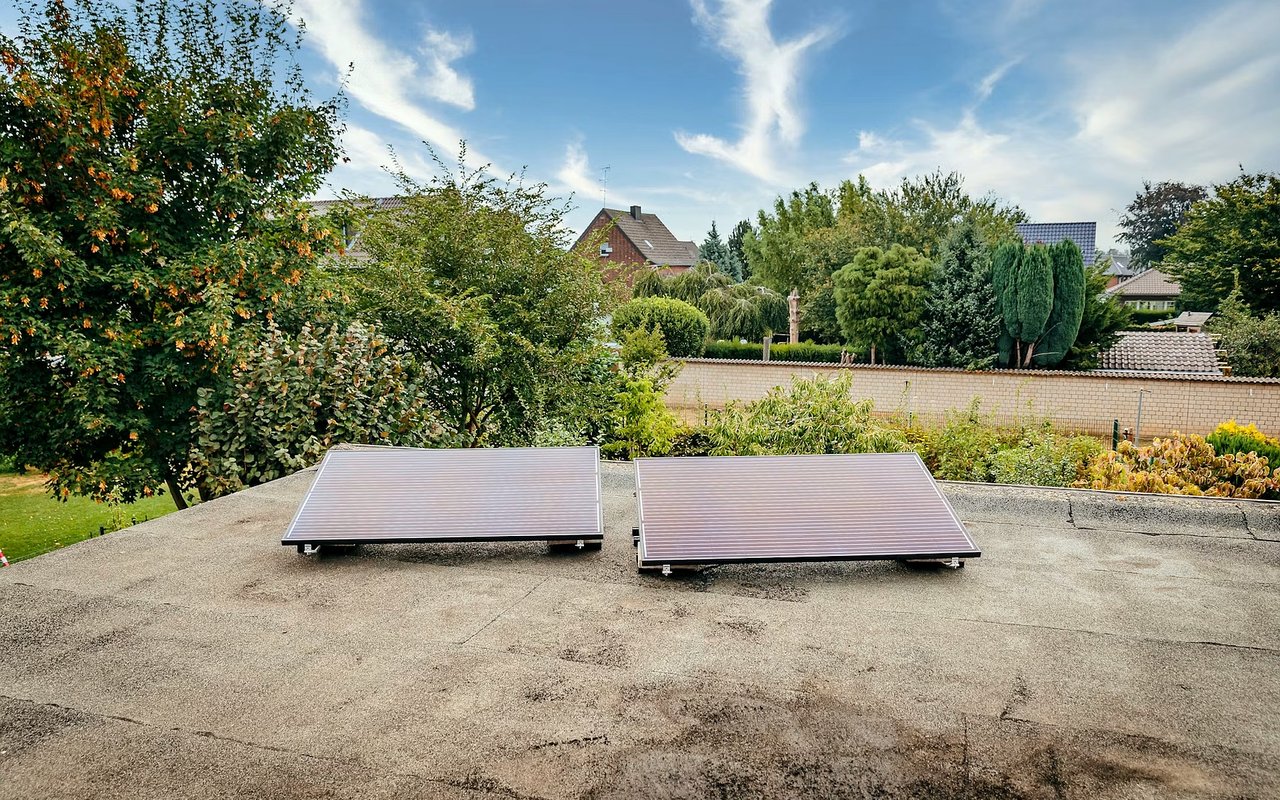
Solar panels and EV charging: Rooftop solar has grown more common in Seattle listings, particularly in West Seattle, Ballard, and neighborhoods with good southern exposure. Many builders now include solar-ready panels and conduit runs even when panels are not part of the initial build
-
Water efficiency and site considerations: Built Green requires low-irrigation landscaping, water-efficient fixtures, and stormwater management. Green Seattle homes frequently include rain gardens, permeable paving, and native plantings that reduce runoff and protect the region's salmon-bearing waterways
Seattle buyers should ask for utility bills on any home they are seriously considering. A home with strong green features should show meaningfully lower monthly costs.
FAQs
Does a green certification actually increase what a home sells for in Seattle?
The data supports it. In Seattle, where buyers are particularly attuned to sustainability, I've seen green features meaningfully influence competitive offers.
What is the difference between Built Green and LEED?
Built Green was designed specifically for Pacific Northwest homes and is administered locally by the Master Builders Association of King and Snohomish Counties. LEED is a national program with broader commercial applications. Seattle's energy code is strong enough that LEED Gold does not satisfy the city's Green Building Standard for newer projects.
What should I look for when buying an eco-friendly home in Seattle?
Start with the utility bills and ask whether the home has a Built Green certificate, ENERGY STAR rating, or Home Energy Score. Look for a heat pump rather than gas heating. Triple-pane windows, HRV ventilation, and good insulation drive long-term performance.
Contact Mel Parsons Today
I work with buyers and sellers across Seattle and pay close attention to what green features actually mean for a home's value and livability.
If you're thinking about buying or selling in Seattle, I'd love to help you navigate what green features actually mean for your transaction. Contact me, Mel Parsons, today.
If you're thinking about buying or selling in Seattle, I'd love to help you navigate what green features actually mean for your transaction. Contact me, Mel Parsons, today.
