By Mel Parsons
If you’ve ever pulled up to a home and felt instantly impressed (even before walking inside), that’s the power of good landscaping. Here in Seattle, where rain, elevation, and native greenery shape so much of our environment, curb appeal landscaping plays a critical role in how a home feels and what it’s worth. Whether you’re preparing to sell or simply want to love your home’s exterior more, landscaping isn’t just cosmetic; it’s strategic.
Over the years, I’ve walked countless buyers up to front doors, and I can tell you firsthand: the homes that look cared for outside set the tone for everything that follows.
Key Takeaways
- Elevate first impressions with structured garden beds and focal plantings.
- Use climate-adapted plants to keep your yard looking fresh year-round.
- Add value and beauty with well-placed lighting, hardscaping, and walkways.
- Seattle’s climate calls for low-maintenance designs that manage water effectively.
Use Landscaping to Frame and Enhance Your Home
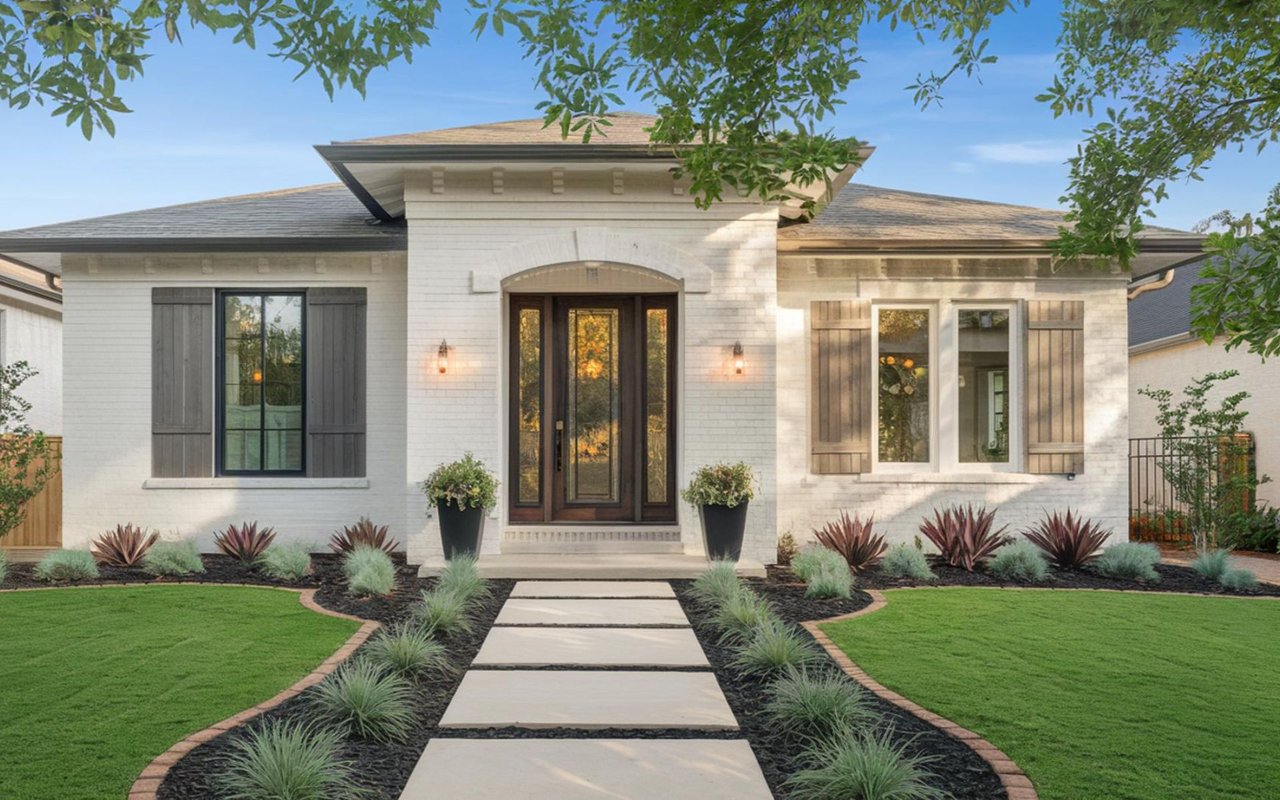
Good curb appeal landscaping starts with structure. That doesn’t mean everything has to look rigid; it means the design should support your home’s architecture, draw the eye to key features, and make the entry feel intentional.
Design Elements That Highlight Your Home’s Best Features
- Build out clean-lined garden beds that frame the foundation and walkways.
- Use symmetrical planters or small trees to anchor the front entrance.
- Layer plant heights (tall in back, medium in the middle, low in front) to create depth and flow.
- Add mulch or stone borders to give everything a finished, low-maintenance look.
This type of layout works well for a craftsman bungalow or a modern home, because it’s clean, intentional, and scalable.
Choose Plants That Thrive in Seattle
Not every plant can handle our mix of wet winters and dry late summers. Seattle-friendly landscaping means thinking ahead.
Plant Choices That Keep Your Yard Looking Sharp
- Go for evergreens like boxwood, holly, or Pacific wax myrtle for year-round structure.
- Use perennials like lavender, salvia, and hellebores for pops of color that come back every season.
- Add ornamental grasses to fill in gaps and create visual movement.
- Avoid thirsty plants that require constant watering; stick with climate-tolerant natives whenever possible.
These choices don’t just make maintenance easier; they give your yard a polished look through all four seasons.
Lighting and Hardscape Add Function and Polish
Great curb appeal isn’t just about greenery. It’s about flow, usability, and subtle drama.
Elements That Pull the Whole Look Together
- Install low-voltage landscape lighting to highlight your walkway, stairs, and garden beds.
- Use paver walkways or stepping stones to guide guests to your front door naturally.
- Frame patios or entry landings with built-in planters or benches to add dimension.
- If you’re dealing with a sloped yard (which is common in Seattle), add terracing or retaining walls to control erosion and create more usable space.
These features boost visual impact and improve everyday functionality, especially during Seattle’s darker, rainier months.
Low-Maintenance Doesn’t Mean Boring
In our climate, simple is smart, and smart design can still be beautiful.
How to Keep It Attractive Without Constant Work
- Install drip irrigation or smart watering systems to save time and avoid overwatering.
- Use dark mulch or bark in beds to suppress weeds and make greenery pop.
- Design around slow-growing shrubs that don’t need constant trimming.
- Include gravel or crushed rock zones for texture and water control near downspouts.
I often recommend these updates before listing, and the result is always a home that shows better—and sells faster.
FAQs
Does landscaping really impact resale value?
Absolutely. Great curb appeal landscaping makes your home more memorable and signals to buyers that it’s been well cared for.
How much should I spend on landscaping before selling?
You don’t need a full overhaul. Small, smart investments, like fresh mulch, trimmed plants, and a few new accent shrubs, often go a long way.
What’s the best time of year to update landscaping in Seattle?
Early spring is ideal, but late summer and early fall are also great for planting and prepping for the rainy season.
Contact Me Today
Seattle’s lush environment gives us so many options to enhance curb appeal, but without the right plan, it’s easy to miss the mark. If you’re ready to make the outside of your home feel as polished as the inside, I can help you prioritize updates that actually matter. Whether you're preparing to sell or just want your home to stand out on the block, the right landscaping can completely transform your property's look and value.
Ready to learn more? Reach out to me, Mel Parsons, and let’s talk about your goals, your style, and the smartest ways to elevate your home's first impression.
