What It Means to Live on Mercer Island, WA
Island calm, Lake Washington shoreline, top-ranked schools, and seamless regional access to Seattle and Bellevue
Mercer Island Lifestyle - Quick Reference
Living on Mercer Island: Key Takeaways
- Prime Island Location - 5 miles long by 2 miles wide, set in Lake Washington between Seattle and Bellevue
- Effortless Commute - Direct I-90 access plus 2 Line Light Rail Station at Mercer Island Transit Center
- Parks & Public Shoreline - 475 acres of parkland, 10+ public waterfront parks, Luther Burbank & Pioneer Park
- Walkable Town Center - Village-style core with local dining, boutique retail, and KCLS library branch
- Residential Stability - 67.0% owner-occupied housing rate, $219,069 median household income, 23.6 min average commute
Living on Mercer Island delivers a rare blend of residential quiet, water-connected recreation, and central regional convenience. Positioned directly in Lake Washington on Interstate 90, Mercer Island provides a 10-minute drive or direct light rail transit connection to both Downtown Seattle and Bellevue. The island balances a compact, walkable Town Center with 475 acres of public parkland and 10+ public shoreline parks, creating an established, family-friendly community with resilient long-term real estate value.
If you are wondering whether Mercer Island feels more like a suburb, a small town, or a commuter hub, the honest answer is: a bit of all three. For many buyers, that mix is exactly the appeal. You get a quiet residential island setting in Lake Washington with effortless access to both Seattle and the Eastside, plus a daily lifestyle shaped by parks, shoreline, and a compact village center. Here is what living on Mercer Island actually looks and feels like day to day.
Mercer Island At A Glance - Key Metrics & Lifestyle Factors
Overview of population, transit, park access, and real estate indicators for prospective homebuyers.
Lifestyle Factor | Mercer Island Metric | Regional Impact | Best For |
|---|---|---|---|
Geography & Setting | 5 miles long x 2 miles wide island in Lake Washington | Central barrier between Seattle and Bellevue | Buyers wanting privacy without suburban isolation |
Transit & Commute | 2 Line Light Rail + Direct I-90 access (23.6 min avg) | Peak trains every 8 min to Bellevue/Redmond/Seattle | Tech executives & dual-city commuters |
Parks & Open Space | 475 acres across 21+ parks (open 6am - 10pm daily) | 10+ public waterfront parks & public boat launch | Outdoor enthusiasts, runners, boaters & families |
Community Core | Town Center + 42,755 sq ft Community & Event Center | Walkable mixed-use retail, dining, KCLS library branch | Residents preferring localized daily errands |
Demographics & Housing | 25,748 residents | 67.0% owner-occupied | $219,069 MHI | Predominantly single-family residential stability | Long-term move-up and right-sizing buyers |
Considering a move to Mercer Island?
Island calm with unmatched access to Seattle and Bellevue
Mercer Island combines quiet, tree-lined streets with an eight-minute light rail ride or quick I-90 drive. Mel Parsons helps buyers navigate specific island neighborhoods, from waterfront estates along First Hill and Groveland to low-maintenance townhomes near Town Center.
Mercer Island at a Glance
Mercer Island is a true island community in Lake Washington, located between Seattle and Bellevue. It is just over five miles long and two miles wide, which gives it a distinct sense of place and a smaller-scale feel than many nearby cities.
The city describes Mercer Island as primarily a single-family residential community, with commercial uses and some multifamily housing concentrated near the north end. In practice, that means much of daily life feels residential and established, while the commercial core stays relatively compact.
Census QuickFacts show 25,748 residents counted in the Census and 10,068 households. The owner-occupied housing rate is 67.0%, median household income is $219,069, and mean travel time to work is 23.6 minutes. Those numbers support the picture of Mercer Island as a mostly owner-occupied community with a strong residential base.
What Daily Life Feels Like
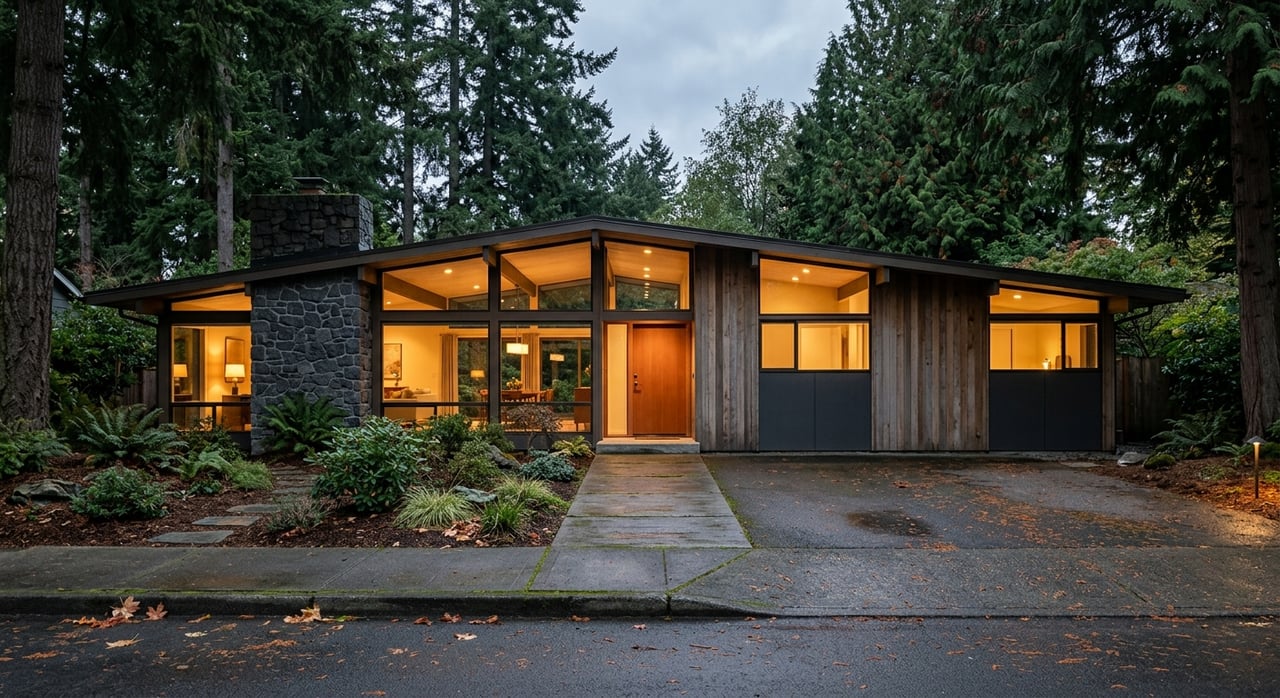
Living on Mercer Island often means trading urban density for residential calm. The city's community planning consistently points to quiet, forested neighborhoods, shoreline views, and a strong emphasis on environmental stewardship.
That does not mean isolated. Instead, Mercer Island tends to feel like a quieter residential setting with a village-style center and regional access close at hand. If you want a place that feels grounded and outdoors-oriented, that lifestyle can be a strong fit.
If you are looking for a dense urban streetscape or a lot of late-night commercial activity, Mercer Island may feel too quiet. The city's land use and community planning point much more toward residential living, local amenities, and outdoor routines than an around-the-clock urban pace.
Commuting from Mercer Island
Transportation on Mercer Island is heavily shaped by Interstate 90. The city notes that residents' sole vehicle means of ingress and egress is access to an interstate highway, which makes I-90 part of everyday life whether you drive often or not.
A major transit milestone is the Mercer Island Light Rail Station, situated in the center of I-90 across from the Mercer Island Park-and-Ride and near Town Center. This provides a meaningful transit option for people who want to move around the region without relying only on a car.
Transit service includes the 2 Line, which connects Lynnwood City Center through Bellevue to Downtown Redmond. The station is also served by King County Metro DART routes 204 and 630 and Sound Transit routes 550 and 554.
Peak trains arrive about every eight minutes, with service every 10 to 15 minutes for much of the rest of the day. For many residents, that makes Mercer Island more flexible than ever before.
Driving and Parking Realities
Even with strong transit connections, Mercer Island retains a car-oriented side. I-90 remains the key driving route on and off the island, and parking management is part of how the city handles commuter flow.
The city lists 447 stalls at the Mercer Island Park-and-Ride and a 33-stall Town Center Parking Area. It also created the North Mercer Restricted Parking District to help prevent commuter parking spillover when the park-and-ride is full.
For buyers, convenience and constraints exist side by side. Mercer Island is exceptionally well-connected, but daily movement still depends in part on your preferred commute mode and comfort with regional traffic patterns.
Parks and Outdoor Access
One of the clearest answers to what it means to live on Mercer Island is this: parks matter here. The city boasts 475 acres of parks and open spaces, with city parks open daily from 6:00 a.m. to 10:00 p.m.
That level of public open space shapes the day-to-day rhythm of the island. Walks, trail time, shoreline stops, and outdoor recreation are central to the lifestyle.
More than ten public waterfront parks provide open access to a significant portion of the shoreline. The Mercer Island Boat Launch at Aubrey Davis Park adds public access to Lake Washington for those who enjoy boating, kayaking, or paddleboarding.
Luther Burbank Park
Luther Burbank Park is one of the island's signature outdoor spaces. Spanning three-quarters of a mile of Lake Washington shoreline, it features a swimming beach, docks, a fishing pier, walking trails, wetlands, and an off-leash dog area.
Pioneer Park
Pioneer Park gives Mercer Island a distinct wilderness feel. This 113-acre forest includes 6.6 miles of winding trails, plus a perimeter trail that is accessible for strollers and wheelchairs. The park also includes a designated equestrian trail, with motorized vehicles strictly prohibited to preserve quiet nature walks.
Waterfront Living, Even Without Waterfront Property
You do not need to own a multi-million dollar waterfront property to experience one of Mercer Island's biggest lifestyle benefits. Public shoreline access is a real part of living here, thanks to the city's network of waterfront parks and public spaces.
That matters because it changes how the island feels in everyday life. Views, lake access, and outdoor gathering spots become part of the public realm rather than remaining behind private property lines.
For buyers deciding between Mercer Island and other Eastside locations, public lake access is an important differentiator that provides a stronger connection to water than many inland Eastside suburbs.
Town Center and Everyday Convenience
Mercer Island is not built around a scattered commercial strip. Its Town Center vision describes a walkable, mixed-use core with retail, restaurants, offices, recreation, housing, outdoor gathering spaces, and services meant to support daily needs locally.
Instead of commercial uses being spread out, everyday activity is concentrated in a compact village-style center. Town Center planning emphasizes comfort and access for pedestrians, bicyclists, transit users, and drivers alike.
Community Amenities That Support Daily Life
Beyond shops and services, Mercer Island has civic spaces that support routine life. The Mercer Island Community & Event Center is a 42,755-square-foot facility open six days a week for public recreation and events.
The island also features a King County Library System (KCLS) branch equipped with meeting rooms, study areas, Wi-Fi, and children's story times, supporting work, learning, and community connection.
Community Feel and Local Identity
Mercer Island's identity is shaped by its civic values. The city vision statement emphasizes stewardship of trees, open space, clean water and air, and neighborhood quiet.
That focus explains why Mercer Island often feels greener and more peaceful than surrounding suburbs. You see it in preserved open spaces, waterfront access, and the way residential areas remain central to city planning.
Community life also has a vibrant civic side. The city supports arts and culture through collaboration with local artists, and the Mercer Island Arts Council actively promotes community programming and public art installations.
Who Mercer Island Fits Best
Mercer Island is a strong fit if you desire a quieter residential setting with rapid regional access to both Seattle and Bellevue. It works exceptionally well if you value water sports, forested trails, top-rated schools, and a compact town center that covers daily needs.
For relocating buyers, the island makes sense when you want dual-city connectivity. For move-up or right-sizing buyers, it appeals if your priorities include established neighborhoods, public lake access, and a settled residential environment.
About Mel Parsons - Mercer Island & Seattle Real Estate Expert
Mel Parsons has been helping buyers and sellers navigate the Mercer Island and Greater Seattle real estate markets for over a decade. With deep local knowledge of island submarkets—from First Hill and East Seattle to Town Center condominiums and waterfront estates—Mel understands how street-level nuances, commute routes, and park proximity impact home value. Whether you are moving from Seattle, relocating from out of state, or right-sizing on the island, Mel Parsons delivers calm, informed real estate strategy.
Frequently Asked Questions About Living on Mercer Island
What is Mercer Island like for daily living?
Mercer Island feels primarily residential, featuring quiet tree-lined streets, a compact walkable Town Center, 475 acres of parkland, and seamless access to both Downtown Seattle and Bellevue.
How do you commute from Mercer Island to Seattle and Bellevue?
Commuting is anchored by Interstate 90 and the Mercer Island 2 Line Light Rail Station. Trains run every 8 minutes during peak hours, providing quick transit to Bellevue, Redmond, and Seattle. King County Metro DART and Sound Transit buses also serve the island.
What outdoor amenities does Mercer Island offer?
Mercer Island features 475 acres of parks and open spaces, more than ten public waterfront parks, a public boat launch, 6.6 miles of forest trails at Pioneer Park, and lakefront recreation at Luther Burbank Park.
Do you need to own waterfront property to enjoy Lake Washington on Mercer Island?
No. Mercer Island offers extensive public shoreline access through a network of ten-plus waterfront parks, swim beaches, docks, and a public boat launch at Aubrey Davis Park.
What is the housing market like on Mercer Island?
Mercer Island is primarily a single-family residential market with a 67.0% owner-occupied housing rate. Housing ranges from low-maintenance Town Center condominiums and luxury townhomes to private wooded estates and premier Lake Washington waterfront homes.
Sources: U.S. Census Bureau QuickFacts (Mercer Island City), City of Mercer Island Comprehensive Plan & Parks Department disclosures, Sound Transit 2 Line operational schedule, and King County property records. Verified as of September 2026.
Mel Parsons * Seattle & Mercer Island Real Estate Expert
Ready to Explore Living on Mercer Island?
Mercer Island offers a very specific kind of Pacific Northwest living: residential, connected, scenic, and shaped by water and trails. If you are weighing whether Mercer Island fits your next chapter, Mel Parsons provides calm, local insight and tailored real estate strategy.
